In March 2026, European farming systems are categorized not just by what they produce, but by their Environmental Integration Score. The European Union’s move toward “Strategic Autonomy” has pushed traditional systems to adopt high-tech or regenerative layers to remain subsidized under the current Common Agricultural Policy (CAP).
Here are the primary farming systems currently defining the European landscape:
🚜 1. Intensive Arable Farming
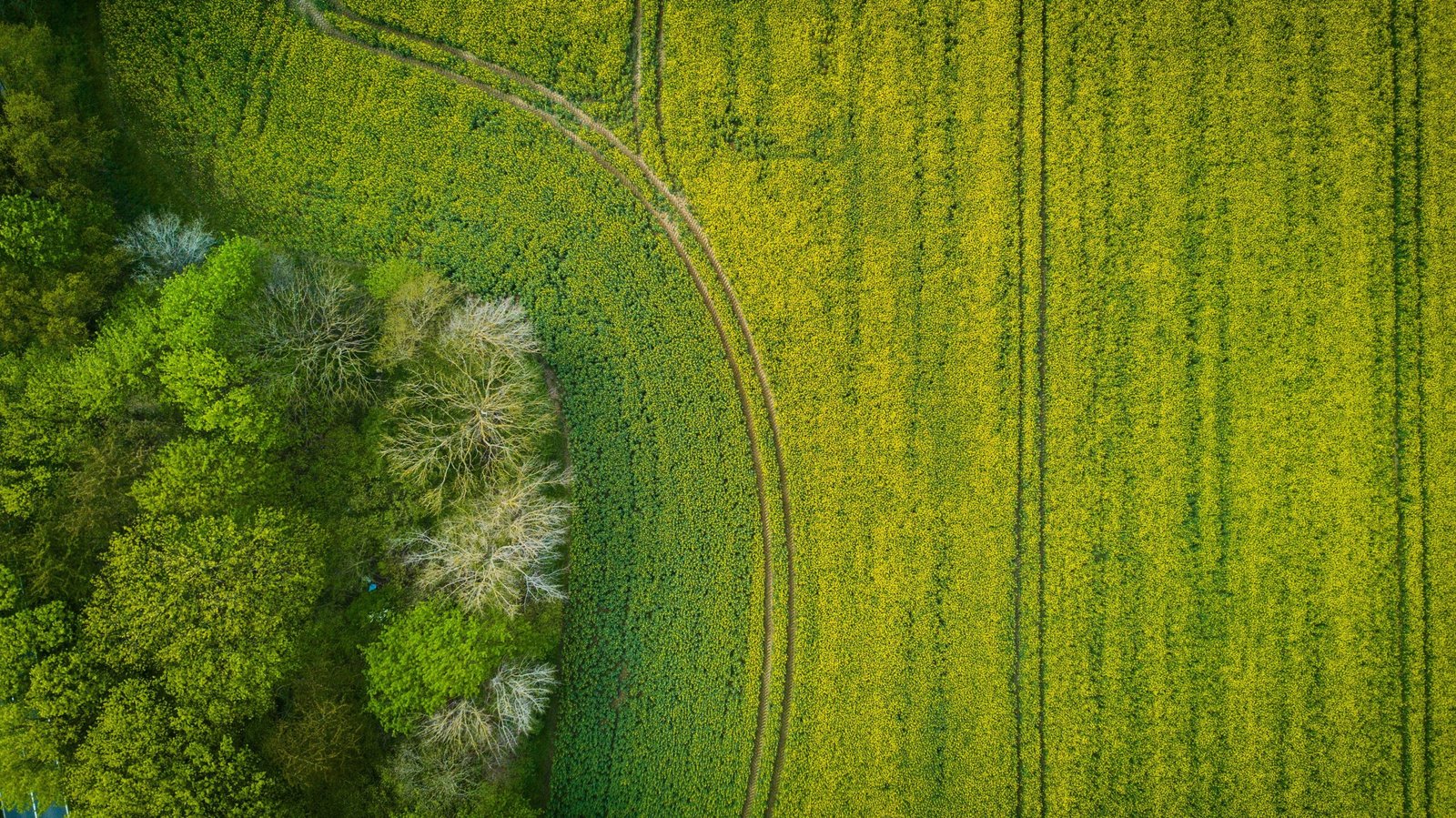
Dominant in the “Breadbasket” regions like Northern France, Germany, and Poland, these systems focus on large-scale cereal, oilseed, and sugar beet production.
- The 2026 Shift: Transitioning to “Low-Input Intensive” systems. Farmers are using AI-driven variable-rate technology to reduce chemical fertilizers by 20% while maintaining high yields.
- Key Crops: Soft wheat, barley, maize, and rapeseed.
🍇 2. Specialized Perennial Systems (Mediterranean)
Found across Italy, Spain, Greece, and Southern France, these systems focus on high-value, permanent crops.
- The 2026 Challenge: Chronic water scarcity has forced a shift toward “Sub-surface Drip Irrigation” and the planting of heat-resilient heritage varieties.
- Key Crops: Grapes (viticulture), olives, citrus fruits, and almonds.
🐄 3. Livestock Systems: Intensive vs. Extensive
Livestock remains a cornerstone of European agriculture but faces the strictest environmental regulations regarding methane and nitrogen.
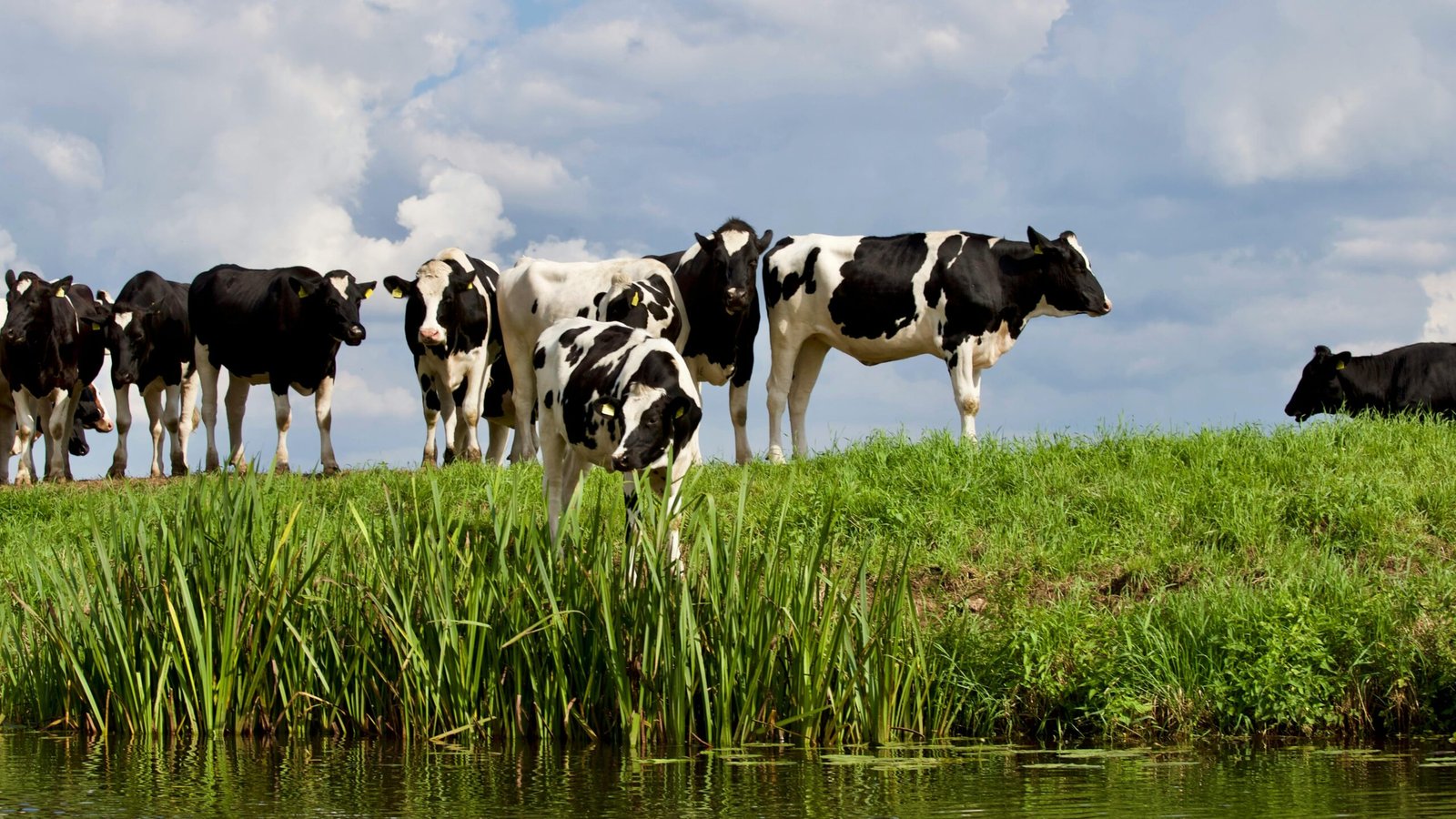
- Dairy (North-West Europe): High-efficiency systems in the Netherlands, Denmark, and Ireland. 2026 sees the widespread adoption of “Methane-Reducing Feed Additives.”
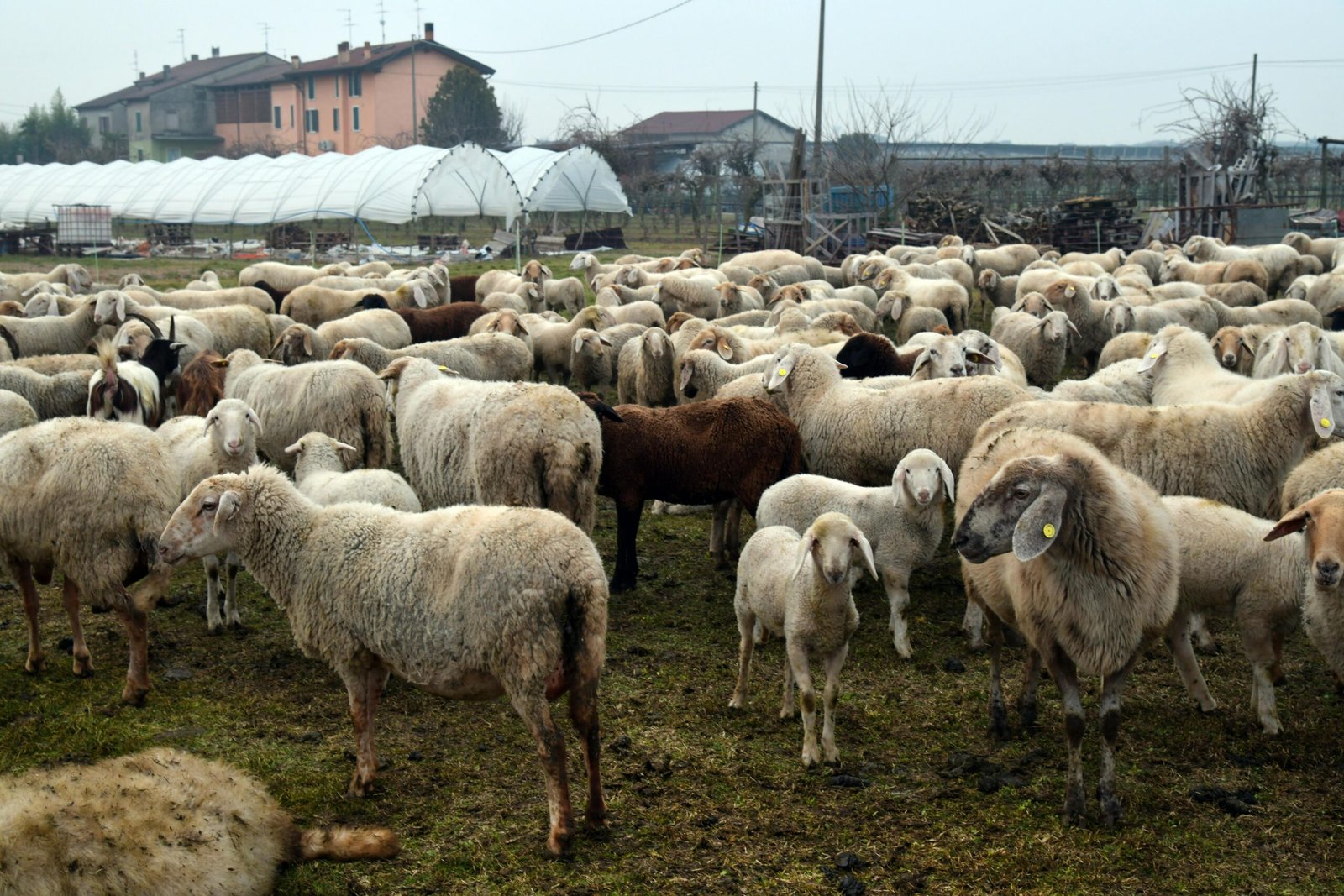
- Extensive Grazing (Highlands): Found in the Alps, Pyrenees, and Scottish Highlands. These are increasingly recognized for “Landscape Maintenance” and carbon sequestration rather than just meat production.
🌿 4. Mixed Farming Systems
Common in Central and Eastern Europe, these systems combine crop and livestock production on a single holding.
- Circular Economy: The 2026 “Gold Standard” for sustainability. Animal waste is used as organic fertilizer for crops, and crop by-products (like stalks) are used as animal bedding or feed, minimizing external inputs.
🥗 5. Specialized Horticulture and “Protected” Cropping
The Netherlands and Almeria (Spain) lead this high-tech sector.
- Closed-Loop Greenhouses: In 2026, these systems are almost entirely decoupled from the external environment, using recycled $CO_2$ from industrial neighbors and recirculating 95% of their water.
- Vertical Farming: Emerging in urban hubs like Berlin, Paris, and Stockholm to provide “Zero-Kilometer” salads and herbs year-round.
📊 System Distribution & Economic Impact (2026)
| Farming System | Primary Region | 2026 Strategic Focus |
| Arable | Paris Basin / Danube Plain | Soil Health & Carbon Credits |
| Mediterranean | Southern Europe | Water Autonomy & Tech-Irrigation |
| Dairy | North Sea Coast | Nitrogen Emission Reduction |
| Mixed | Central/Eastern Europe | Circular Bio-nutrients |
| Horticulture | Benelux / South Spain | Energy-Positive Greenhouses |
💡 The “Regenerative” Overlay
Regardless of the system type, 15% of all EU farmland is now managed under certified Organic or Regenerative protocols as of early 2026. This is a direct result of the “Farm to Fork” mandate, incentivizing farmers to move away from monocultures toward polycultures and “Agroforestry” (planting trees within crop or pasture land).
- Create a 2026 crop rotation plan for Central Europe
- List 2026 EU subsidies for regenerative farming
- Draft a comparison of vertical vs traditional farming costs