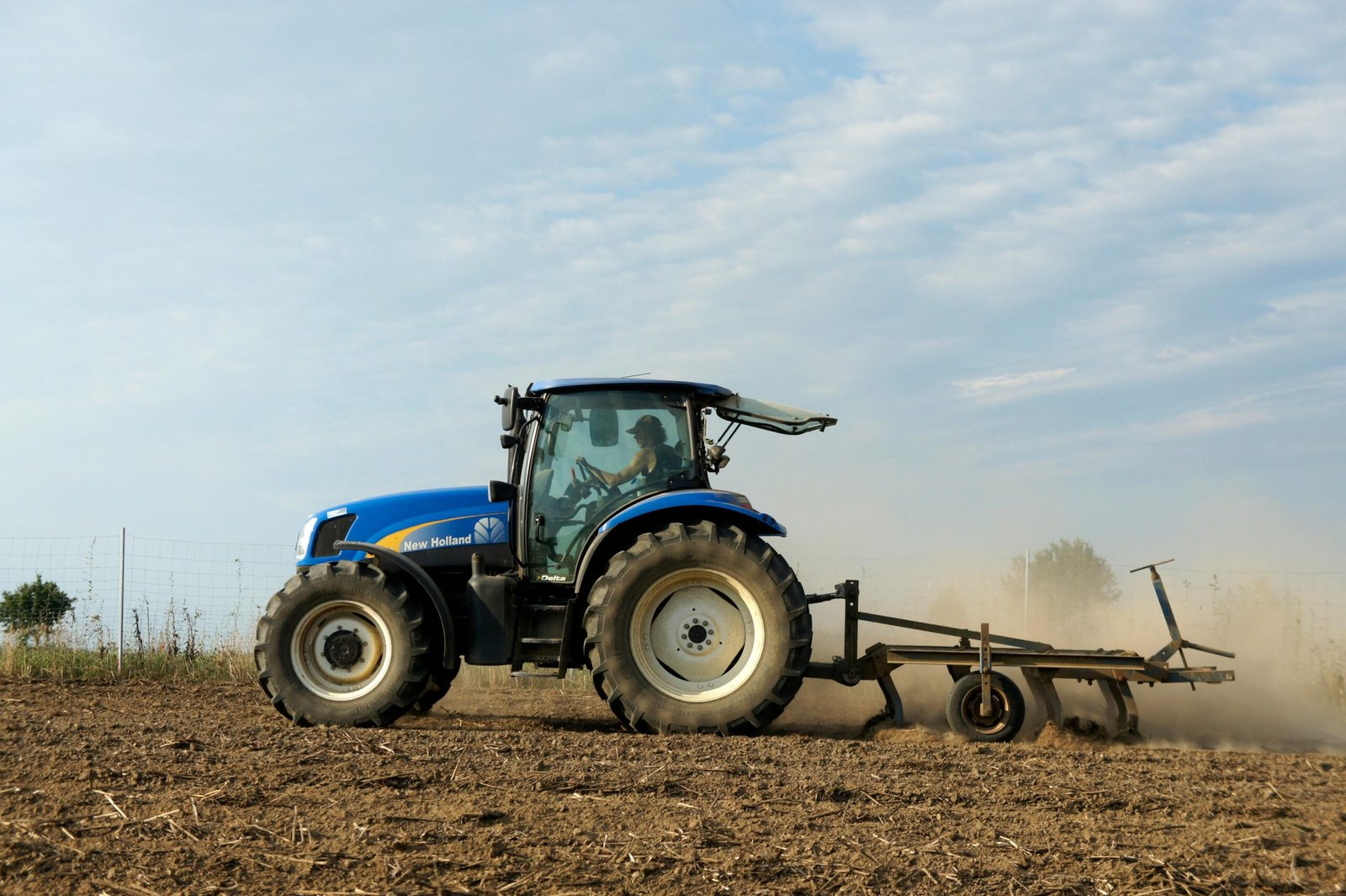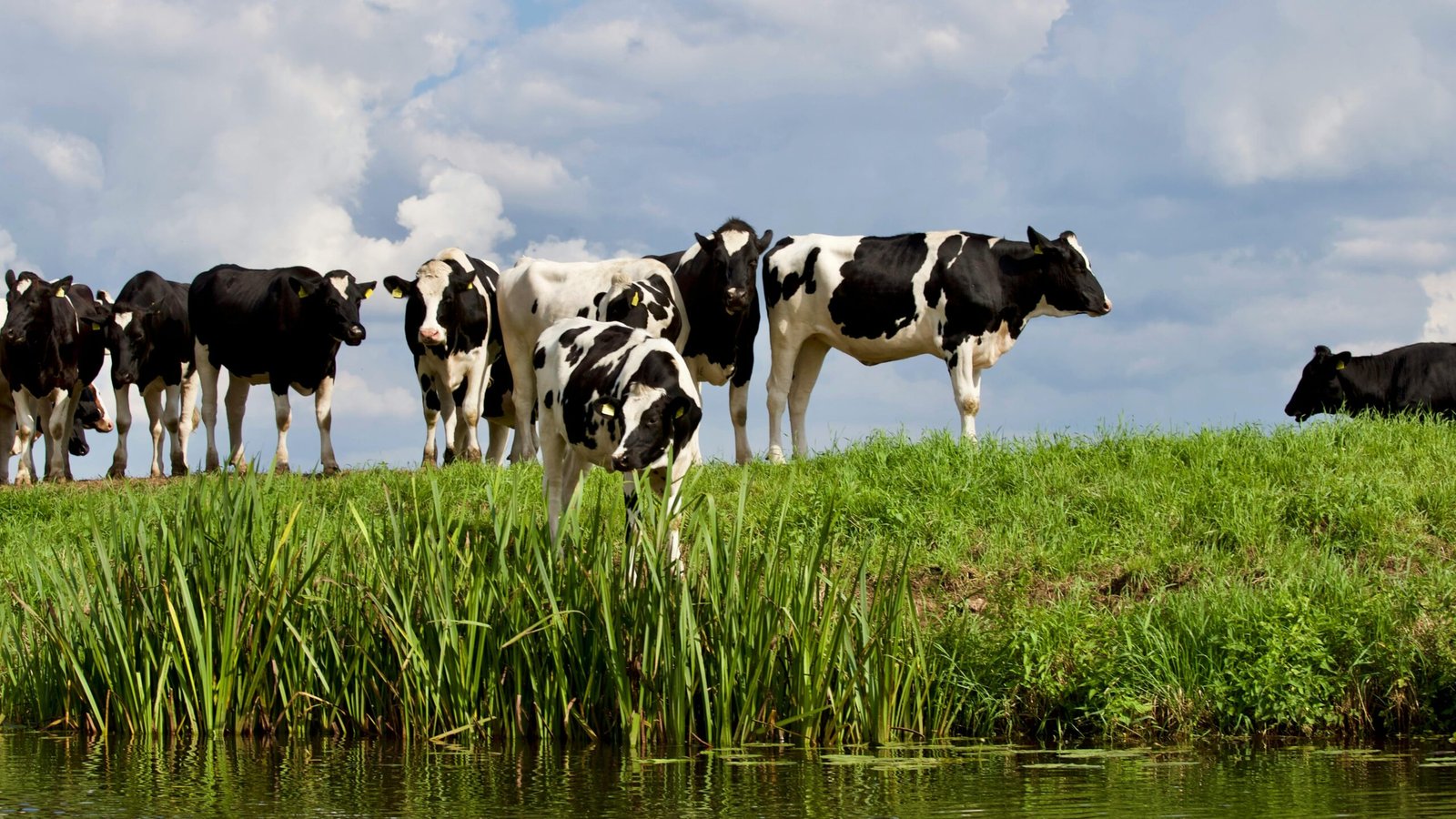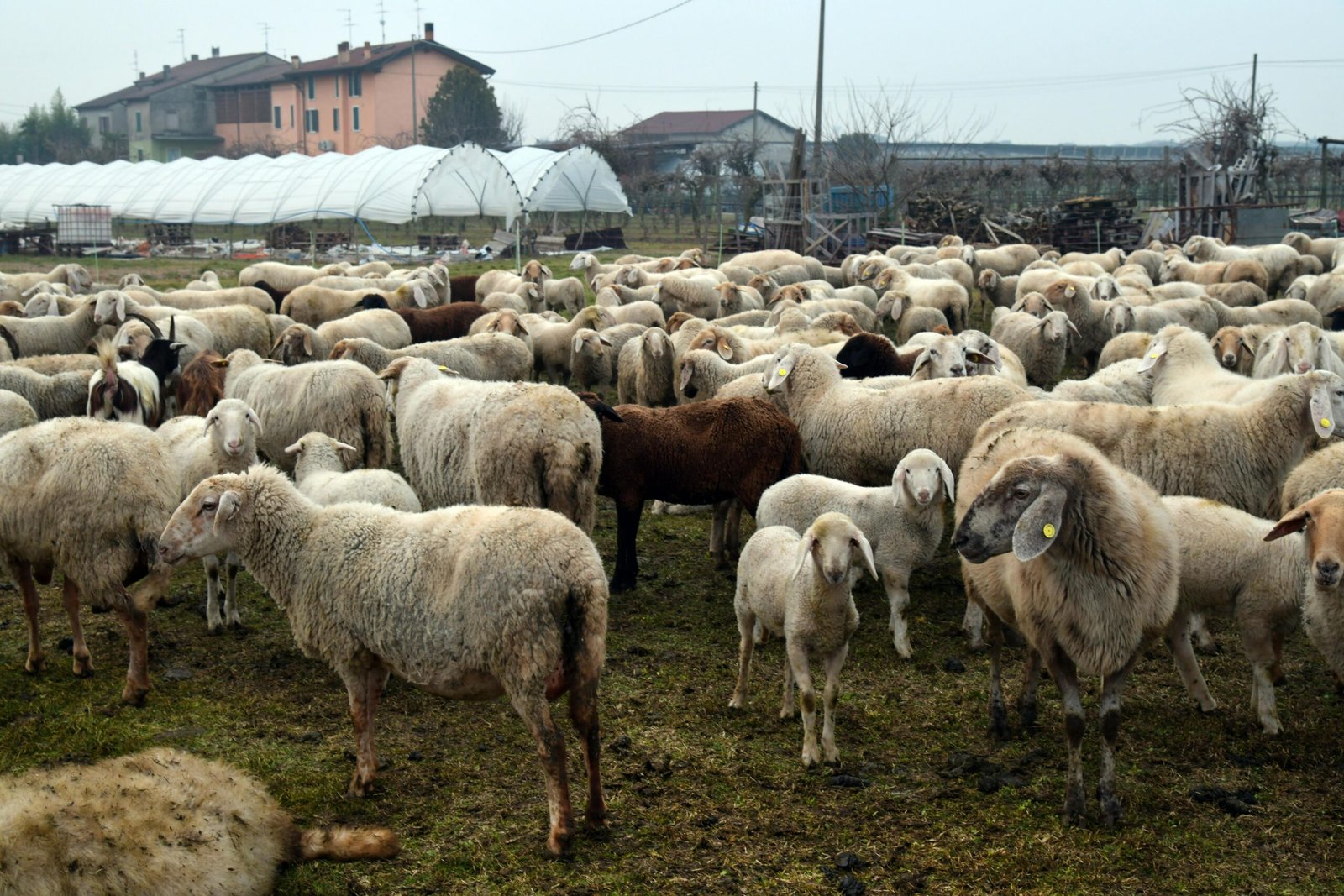
Agricultural trade and exports are a major component of the economy of the European Union (EU), making it one of the world’s leading players in global food markets. With a highly developed agricultural system and strong policy support, Europe exports a wide range of agricultural products while also importing goods that cannot be produced locally.
Europe is a major exporter of high-value agricultural products. Key exports include wheat, dairy products, wine, meat, and processed foods. Countries such as France and Germany are well known for exporting cereals and dairy products, while Italy and Spain dominate in wine, olive oil, fruits, and vegetables. The EU’s advanced technology, strict quality standards, and efficient supply chains help maintain its competitive position in international markets.
The Common Agricultural Policy (CAP) plays a crucial role in shaping agricultural trade. It provides subsidies to farmers, stabilizes prices, and ensures consistent production levels. This support allows European farmers to compete globally, even in highly competitive markets. In addition, the EU has established numerous trade agreements with countries and regions around the world, reducing tariffs and facilitating smoother export processes.
Europe’s main export destinations include regions such as Asia, Africa, and the Middle East. At the same time, the EU imports agricultural goods like coffee, cocoa, soybeans, and tropical fruits, which cannot be produced in its climate. This creates a balanced trade system where exports of high-value goods often exceed the cost of imports.
However, agricultural trade in Europe also faces challenges. Global market fluctuations, trade disputes, and strict environmental and food safety regulations can affect export performance. Events like the Russia-Ukraine War have also disrupted supply chains and increased price volatility in global food markets.
In conclusion, agricultural trade and exports are essential to Europe’s economy, supporting farmers and contributing to global food supply. With strong policy backing, high-quality production, and extensive trade networks, the EU remains a dominant force in international agricultural trade, although it must continue adapting to changing global conditions.