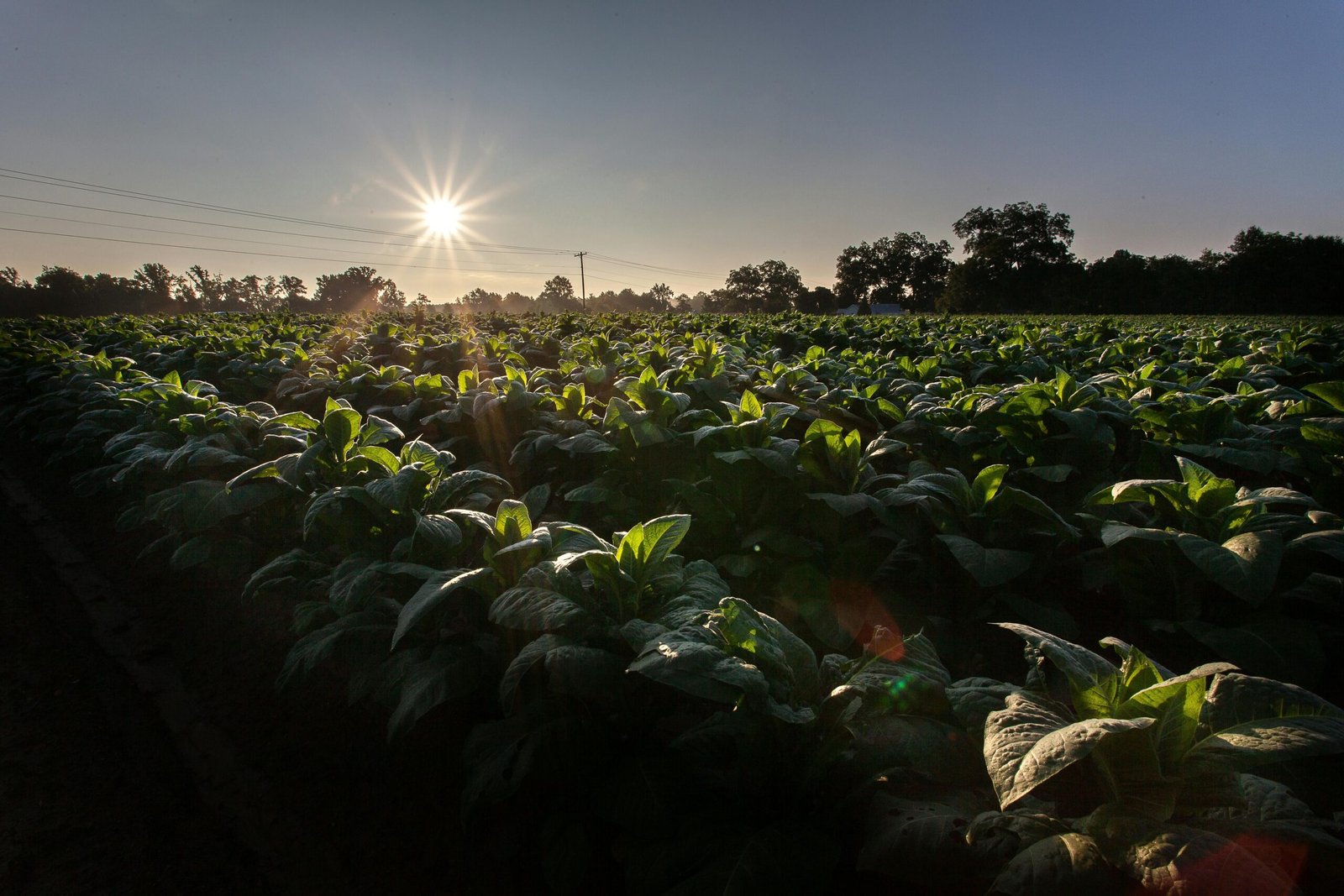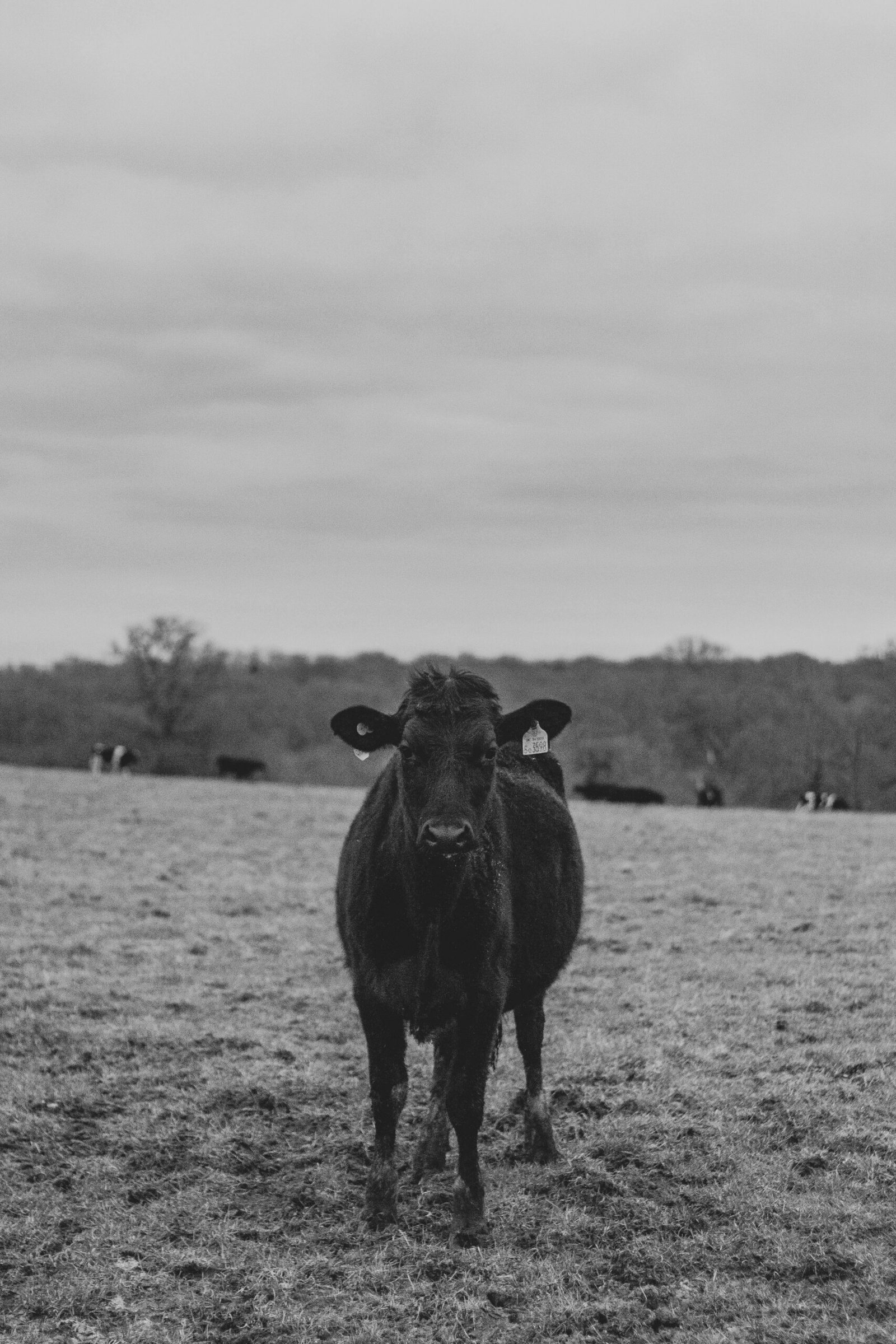
In March 2026, European livestock farming is at a historic crossroads. The sector is currently navigating the most aggressive regulatory overhaul in decades, driven by the EU Livestock Strategy (expected Q2 2026) and the Industrial Emissions Directive (IED 2.0).
The overarching theme for 2026 is “Resilient Intensification”—using high-end technology to maintain productivity while shrinking the environmental footprint.
📉 1. The 2026 Production Landscape
Current forecasts show a significant divergence in livestock numbers across the EU:
- Bovine & Small Ruminants: Production is forecast to decline sharply in the second half of 2026. Cattle numbers are expected to drop by 4.2% (to 11.4 million head), while sheep and goat production may slump by as much as 17%.
- The “Spanish Exception”: While France remains the largest producer, Spain is the only major player expected to increase beef production (+2.7%) and continues to dominate the pig sector with a projected 12% jump in output by late 2026.
- Pig Production: Unlike cattle, pig production is seeing a recovery, forecast to rise by 3.2% (to 61.2 million head) by the end of the year.
⚠️ 2. Major Challenges: The Regulatory “Squeeze”
Farmers in 2026 are managing three high-pressure regulatory fronts:
- Methane Transparency: The EU Methane Transparency Database is scheduled to launch in September 2026. This will force livestock operations to move from “estimates” to direct measurement of emissions, significantly increasing administrative and technical costs.
- The “End of the Cage Age”: The gradual phasing out of cages for laying hens, pigs, and calves is accelerating. New rules published in 2026 are establishing strict transition periods, requiring massive capital investment in “Cage-Free” infrastructure.
- IED 2.0 Compliance: Under the revised Industrial Emissions Directive, an additional 38,500 pig and poultry farms now fall under strict industrial pollution rules, requiring them to adopt “Best Available Techniques” (BAT) to control air and water runoff.
🚀 3. Opportunities: “Intelligence in Animal Farming”
The EuroTier 2026 trade fair (November 2026) has adopted the theme “Intelligence in Animal Farming,” highlighting the primary growth areas:
- Precision Livestock Farming (PLF): 2026 is the “breakout year” for AI-driven animal monitoring. Sensors (accelerometers and computer vision) are being used to detect lameness or respiratory issues 48 hours before physical symptoms appear, drastically reducing antibiotic use.
- Waste-to-Energy (Circular Bioeconomy): With the new Circular Economy Act (expected Q3 2026), livestock manure is being reclassified as a high-value asset for on-farm biomethane production and nutrient recycling, providing farmers with a secondary “green” income stream.
- Alternative Feed Sources: To reduce “feed-no-food” competition, 2026 has seen a surge in the use of insect meal and algae-based proteins in poultry and pig diets, lowering the carbon footprint of meat production.
📊 2026 Livestock Sector SWOT Analysis
| Strengths | Weaknesses |
| World-leading animal welfare standards. | High operational and compliance costs. |
| Advanced AgTech and PLF integration. | Aging farmer demographic (Avg. age 58). |
| Opportunities | Threats |
| Carbon farming & methane-credit income. | Chronic water scarcity in Southern Europe. |
| “Digital Product Passport” for premium exports. | Shifting consumer diets (Reduced meat intake). |
💡 The 2026 Perspective: “The Social License”
In 2026, a farm’s success is tied to its “Social License to Operate.” Public consultations show that 84% of Europeans want better protection for farmed animals. This has turned animal welfare from a “compliance cost” into a marketing tool, where farmers use blockchain-verified data to prove their ethical standards to a skeptical but high-paying consumer base.
- Create a 2026 livestock production forecast table
- List the 2026 BAT requirements for intensive pig farms
- Draft a summary of the 2026 EU Livestock Strategy