In March 2026, European agriculture is defined by a massive recovery in cereal yields following the volatile weather of 2024. While the continent remains the world’s leading exporter of high-value agri-food products, the crop mix is shifting as farmers adapt to the European Green Deal and changing climate patterns.
🌾 1. Cereal Crops (The Foundation)
Cereals occupy the largest share of utilized agricultural land in Europe. For the 2025/26 marketing year, total grain production in the EU-27 and UK is estimated at approximately 296.7 million tonnes.
- Soft Wheat: The undisputed king of European crops. France, Germany, and Poland are the top producers. After a sharp dip in 2024 due to heavy rains, 2025/26 has seen a rebound in yields, supporting a strong recovery in exports.
- Barley: Widely grown for animal feed and the brewing industry. It is favored for its resilience in both winter and spring varieties.
- Maize (Corn): Primarily grown in warmer regions like Romania, France, and Hungary. While 2026 acreage has slightly shrunk as farmers switch to more drought-tolerant crops, it remains vital for the livestock sector.
🌻 2. Oilseeds and Industrial Crops
Europe is a major producer of oilseeds, driven by demand for cooking oils, animal protein feed, and increasingly, biodiesel.
- Rapeseed (Canola): The most significant oilseed in Europe, with production holding steady at around 21.8 million tonnes in 2026. Germany and France lead production.
- Sunflowers: Primarily grown in the Balkans, Spain, and France. In 2026, many farmers have swapped corn for sunflowers due to their better performance in hotter, drier summers.
- Sugar Beet: Europe is the world’s leading producer of beet sugar. However, 2026 has seen a slight decline in planting area (down ~8%) as high input costs squeeze margins.
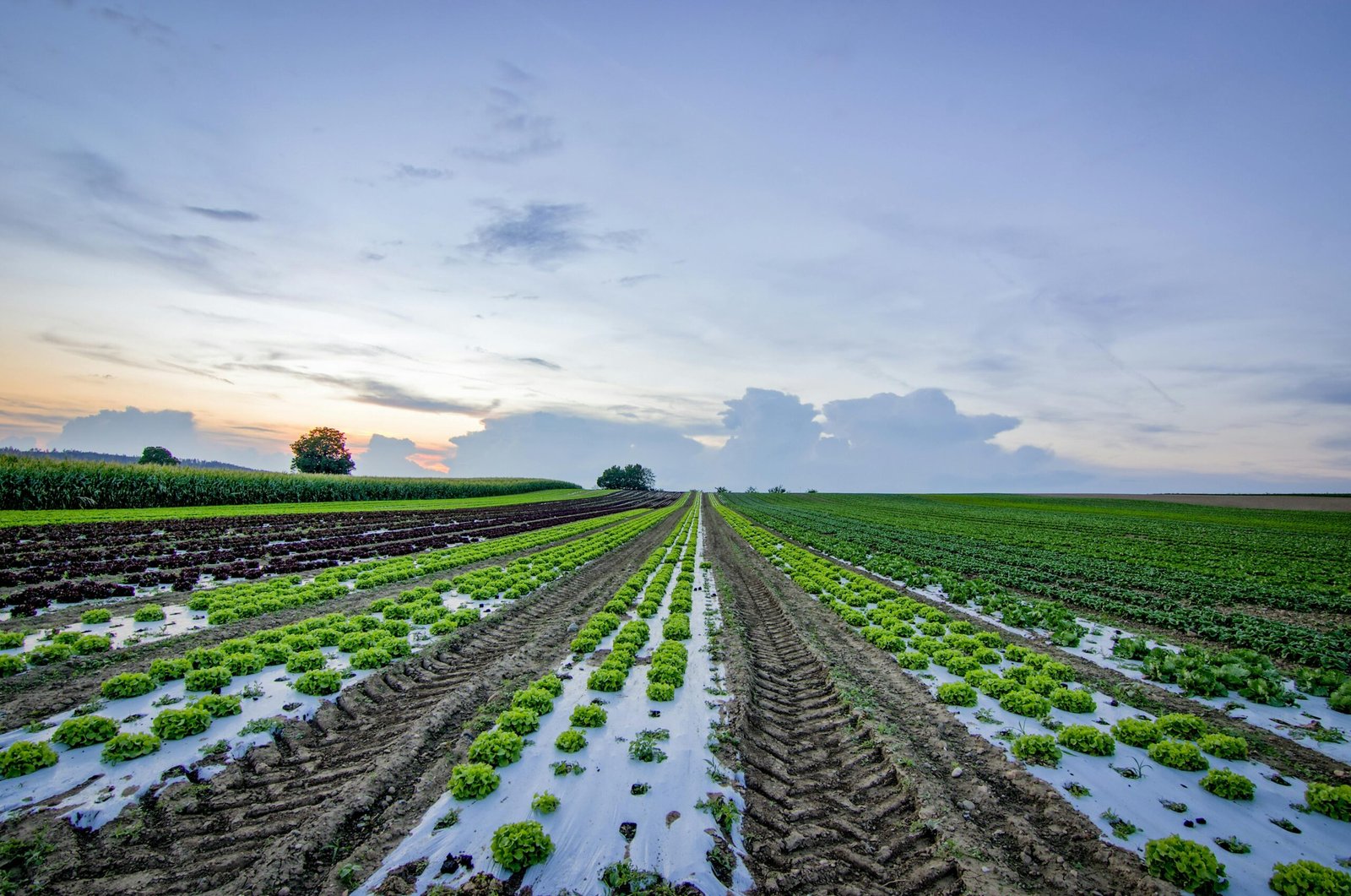
🍎 3. Fruits and Vegetables (Specialized Crops)
High-value “specialized crops” are concentrated in the Mediterranean and the high-tech greenhouses of the North.
- Apples: By far the largest fruit crop by volume. Poland produces over one-third of the EU’s apples, followed by Italy and France.
- Citrus & Olives: Concentrated in Spain, Italy, and Greece. In 2026, olive oil production is recovering from previous record lows, though “heat spikes” in early 2025 impacted some yields.
- Tomatoes: A staple of European horticulture. While Spain and Italy lead in open-field and processing tomatoes, the Netherlands dominates the high-tech greenhouse market for fresh table tomatoes.
📊 2026 Crop Production Snapshot
| Crop Category | Key Produce | Top Producers (2026) | Trend Status |
| Cereals | Wheat, Barley, Rye | France, Germany, Poland | 📈 Recovering |
| Oilseeds | Rapeseed, Sunflower | France, Germany, Romania | ↔️ Stable |
| Fruit | Apples, Oranges, Peaches | Spain, Italy, Poland | 📉 Slightly Down |
| Vegetables | Tomatoes, Onions, Potatoes | Spain, Italy, Netherlands | ↔️ Stable |
💡 The 2026 Shift: “Climate-Smart” Diversity
A notable trend in 2026 is the expansion of protein crops (peas, lupins, and soybeans). To reduce reliance on imported soy and meet EU biodiversity targets, European farmers have increased the cultivation of these nitrogen-fixing plants by nearly 10% over the last two years.
- Create a 2026 EU cereal export forecast table
- List the top 2026 drought-resistant crops for Southern Europe
- Summarize the 2026 EU biodiesel feedstock regulations