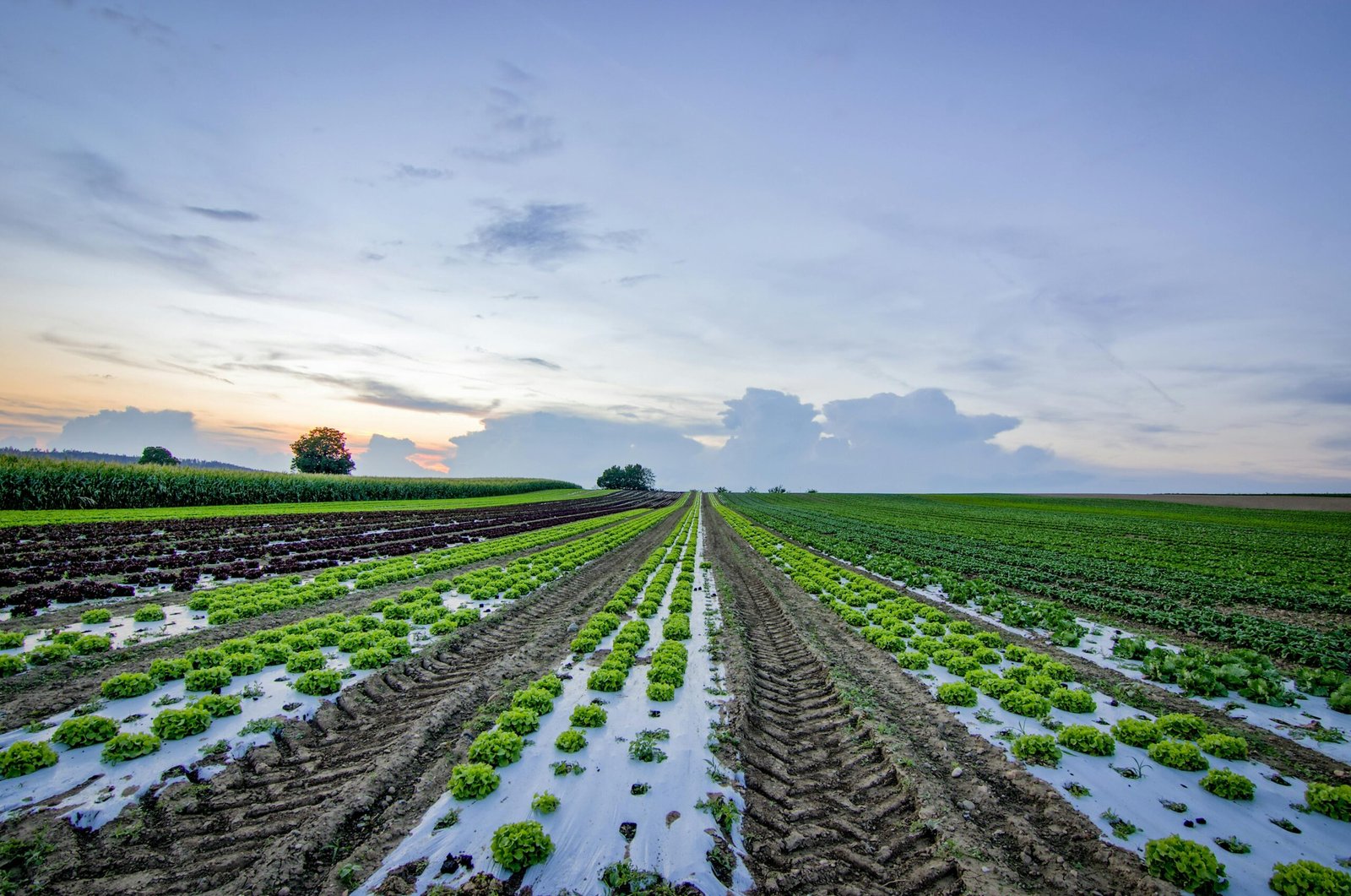
In March 2026, technology is no longer an “optional upgrade” for European farmers; it is the primary tool for survival under the strict environmental mandates of the European Green Deal. The shift from traditional farming to “Precision Ecology” has been accelerated by labor shortages and the need for climate resilience.
1. AI and Autonomous Machinery
The sight of a driver in a tractor is becoming increasingly rare in the “Breadbasket” regions of France, Germany, and Poland.
- Swarm Robotics: Instead of one massive, heavy tractor, farmers are deploying “swarms” of smaller, autonomous robots. These robots perform seeding, weeding, and scouting with minimal soil compaction.
- AI Weed Recognition: Using computer vision, smart sprayers can now distinguish between a crop and a weed in milliseconds, applying herbicide only to the weed. This technology has helped many farms meet the EU’s 2026 goal of reducing chemical pesticide use by 35%.
2. Space-Based Agriculture (Galileo & Copernicus)
Europe leverages its own satellite constellations to manage land at a granular level.
- Variable Rate Application (VRA): Satellite data from the Copernicus program provides high-resolution moisture and nitrogen maps. This data is fed directly into farm machinery, which automatically adjusts the flow of fertilizer meter-by-meter.
- Hyper-Local Weather Forecasting: AI models process satellite data to predict “micro-climatic” events, allowing Mediterranean farmers to trigger irrigation systems just hours before a localized heat spike.
3. The Digital Twin of the Farm
In 2026, many large-scale European estates operate using a “Digital Twin”—a virtual replica of the physical farm.
- Predictive Modeling: Farmers run “What-If” scenarios in the virtual world (e.g., “What happens to my yield if I delay harvest by 3 days due to predicted rain?”) before taking action in the field.
- Livestock Biometrics: In the dairy sectors of the Netherlands and Ireland, “Smart Collars” track the health, fertility, and methane output of every cow. This data is used to optimize feed “recipes” that reduce methane emissions at the source.
4. Circular Bioeconomy Tech
Technology is helping close the loop on farm waste to create new revenue streams.
- On-Farm Biorefineries: Small-scale modular units now convert agricultural waste into “Green Hydrogen” or biomethane, allowing farms to become energy-independent or even energy-exporters to the local grid.
- Blockchain Traceability: To comply with the 2026 Digital Product Passport regulations, European exports like wine and cheese use blockchain to prove their “Carbon Neutral” or “Organic” status to global consumers.
📊 Impact of Technology on EU Farm Metrics (2026)
| Technology | Resource Saving | Primary Benefit |
| Precision Irrigation | -30% Water | Vital for Southern Europe. |
| AI Spot-Spraying | -50% Chemicals | Compliance with EU Green Deal. |
| Autonomous Swarms | -20% Energy | Reduces heavy machinery carbon footprint. |
| Smart Feed Additives | -15% Methane | Key for the 2030 Climate Targets. |
💡 The 2026 Challenge: The “Digital Divide”
While technology is flourishing, the “Data Sovereignty” debate is at its peak. European farmers are currently pushing for legislation that ensures they own the data generated by their tractors and soil sensors, preventing large tech conglomerates from monopolizing agricultural insights.
- Summarize the 2026 EU ‘Digital Product Passport’ requirements
- Create a list of top European AgTech startups in 2026
- Draft a comparison of agrivoltaics vs traditional solar farms