Cereal production in Europe is a cornerstone of its agricultural system, closely tied to policies like the European Union’s Common Agricultural Policy (CAP). Here’s a clear, structured guide to help you understand it fully:
🌾 Cereal Production in Europe: A Complete Guide
🌱 What Are Cereals?
Cereals are grasses cultivated for their edible grains. The most important cereals in Europe include:
- Wheat 🌾
- Barley
- Maize (corn) 🌽
- Rye
- Oats
🌍 Major Cereal-Producing Regions
Europe has diverse climates, which shape where cereals are grown:
🇫🇷 France
- Largest cereal producer in Europe
- Known for high-quality wheat exports
🇩🇪 Germany
- Produces wheat, barley, and rye
- Strong mechanized farming
🇵🇱 Poland
- Important producer of rye and wheat
- Many small and medium farms
🇷🇺 Russia (geographically partly Europe)
- One of the world’s biggest wheat exporters
🇺🇦 Ukraine
- Known as the “breadbasket of Europe”
- Fertile black soils (chernozem)
🌦️ Climate & Soil Factors
Cereal production depends heavily on:
- Temperate climate → ideal for wheat and barley
- Rainfall patterns → crucial for yield
- Soil quality → loamy and chernozem soils are best
🚜 Farming Practices
European cereal farming is highly advanced:
Modern Techniques
- Precision agriculture (GPS, drones)
- High-yield seed varieties
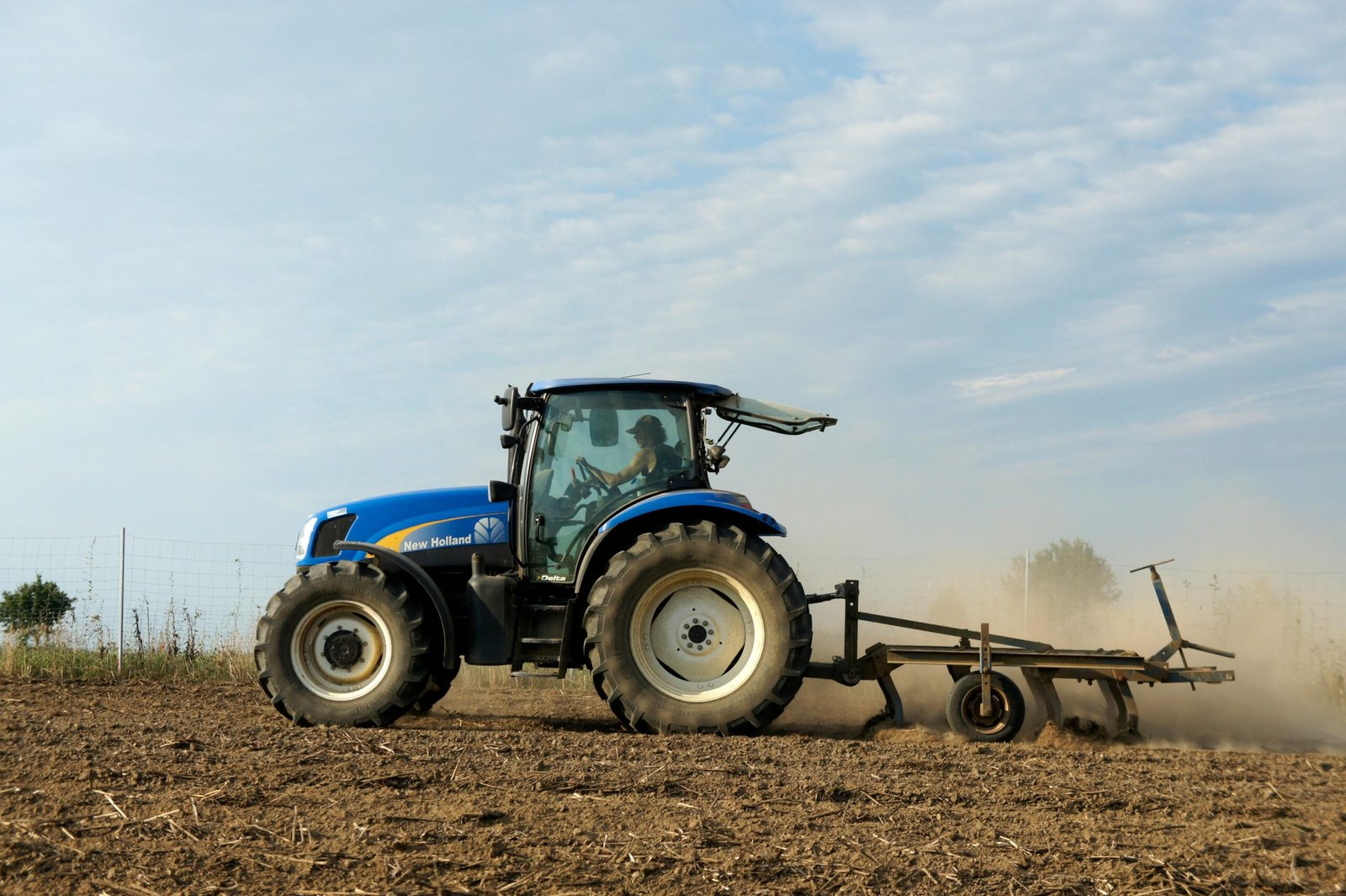
- Mechanization (tractors, combine harvesters)
Sustainable Practices
Driven by CAP reforms:
- Crop rotation
- Reduced chemical use
- Organic farming
📊 Production & Yield
- Europe is one of the largest cereal-producing regions globally
- Average yields are higher than world average due to technology
- Wheat is the dominant crop
💰 Role of the Common Agricultural Policy (CAP)
The CAP strongly influences cereal production:
- Provides subsidies to farmers
- Encourages environmentally friendly farming
- Stabilizes market prices
- Supports rural development
🌐 Trade & Exports
Europe is a major player in global cereal markets:
- Exports wheat to Africa and the Middle East
- Imports maize and soy for animal feed
- Key exporters include:
- France
- Germany
- Ukraine
⚠️ Challenges
Cereal production faces several issues:
Climate Change 🌡️
- Droughts and floods affecting yields
Geopolitical Conflicts ⚔️
- The Russia-Ukraine War disrupted global grain supply
Environmental Concerns 🌱
- Soil degradation
- Overuse of fertilizers
🔮 Future Trends
- More climate-resilient crops
- Expansion of organic farming
- Increased use of AI and smart farming
- Stronger environmental regulations
🧠 Quick Summary
- Europe is a global leader in cereal production
- Wheat is the most important crop
- Advanced technology boosts yields
- CAP shapes farming practices and sustainability
- Climate and geopolitics strongly impact output