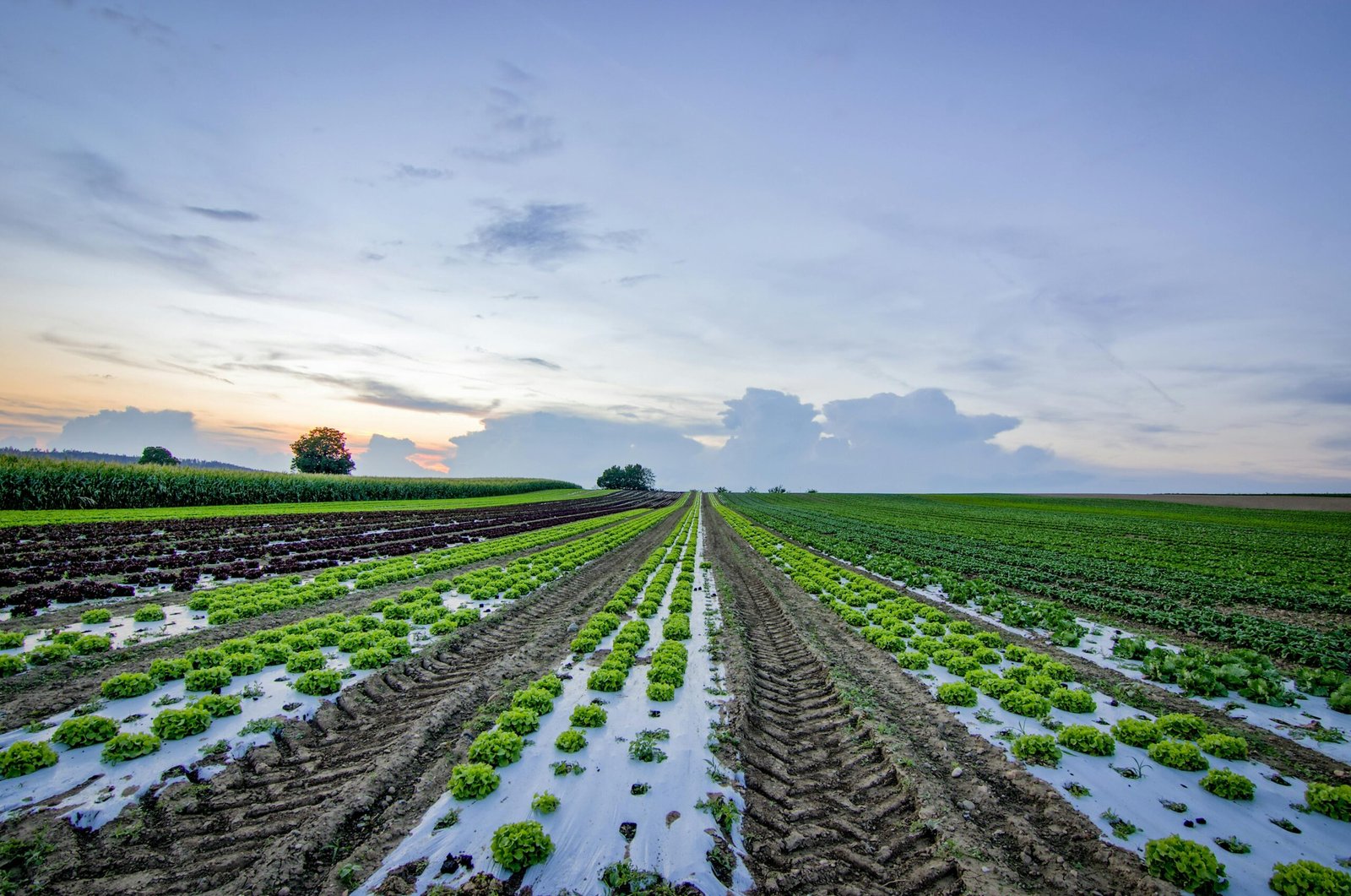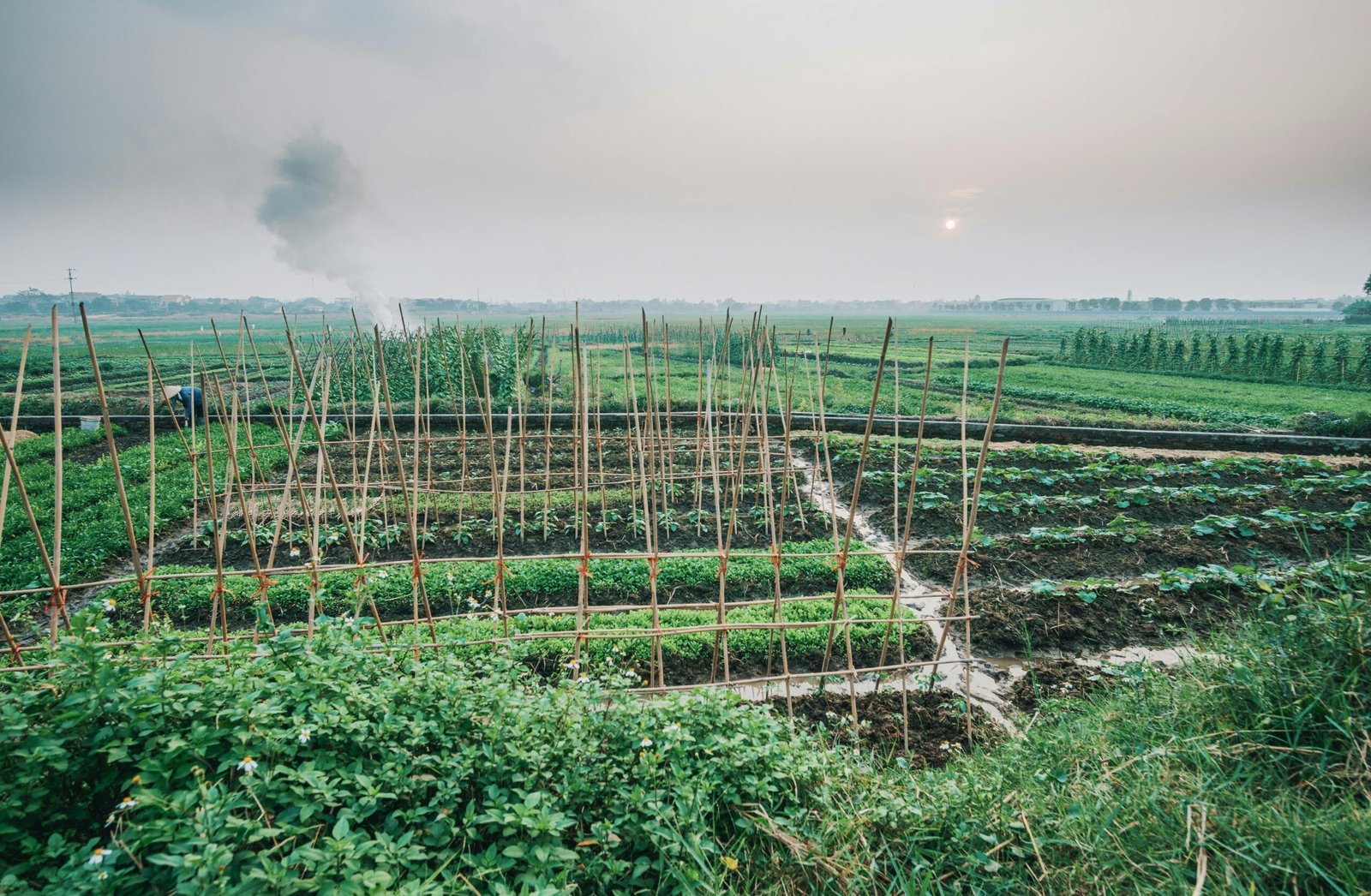
Fruit and vegetable farming in the European Union is a vital part of its agricultural sector, contributing significantly to food supply, rural employment, and economic stability. The diversity of climates across Europe allows a wide variety of fruits and vegetables to be cultivated, ranging from citrus fruits in the south to apples and root vegetables in the north.
Southern European countries such as Spain, Italy, and Greece specialize in Mediterranean crops like oranges, olives, tomatoes, and grapes due to their warm climates and long growing seasons. In contrast, northern countries like Germany and Poland focus on crops such as apples, potatoes, carrots, and cabbages, which thrive in cooler conditions. Netherlands is particularly notable for its advanced greenhouse farming, producing large quantities of tomatoes, cucumbers, and peppers using modern, high-tech methods.
Technological advancement plays a key role in European horticulture. Farmers use precision agriculture, automated irrigation systems, and climate-controlled greenhouses to increase productivity and ensure high-quality produce. The influence of the Common Agricultural Policy (CAP) encourages sustainable practices, including reduced pesticide use, organic farming, and environmentally friendly production methods.
Fruit and vegetable farming is also closely linked to international trade. Europe is both a major exporter and importer of fresh produce. Countries like Spain export large quantities of fruits and vegetables to other European nations, especially during winter when northern regions cannot produce enough locally. At the same time, Europe imports tropical fruits such as bananas and pineapples from outside the region.
Despite its strengths, the sector faces several challenges. Climate change is affecting crop yields through unpredictable weather patterns, including droughts and floods. Labor shortages, rising production costs, and strict environmental regulations also create difficulties for farmers.
In conclusion, fruit and vegetable farming in Europe is highly diverse and technologically advanced, supported by strong policies and trade networks. It remains essential for food security and economic development, although it must continue adapting to environmental and economic challenges in the future.