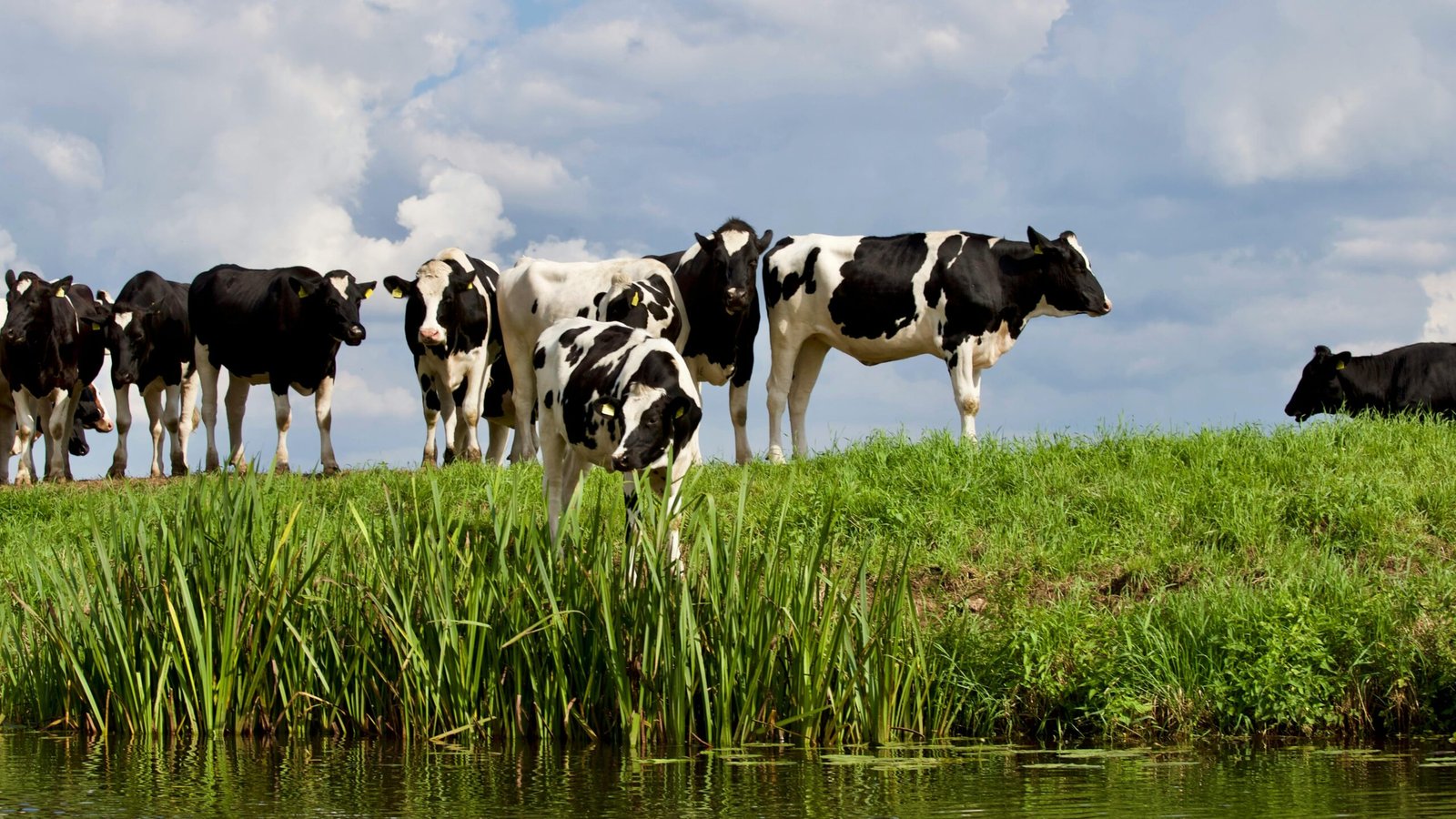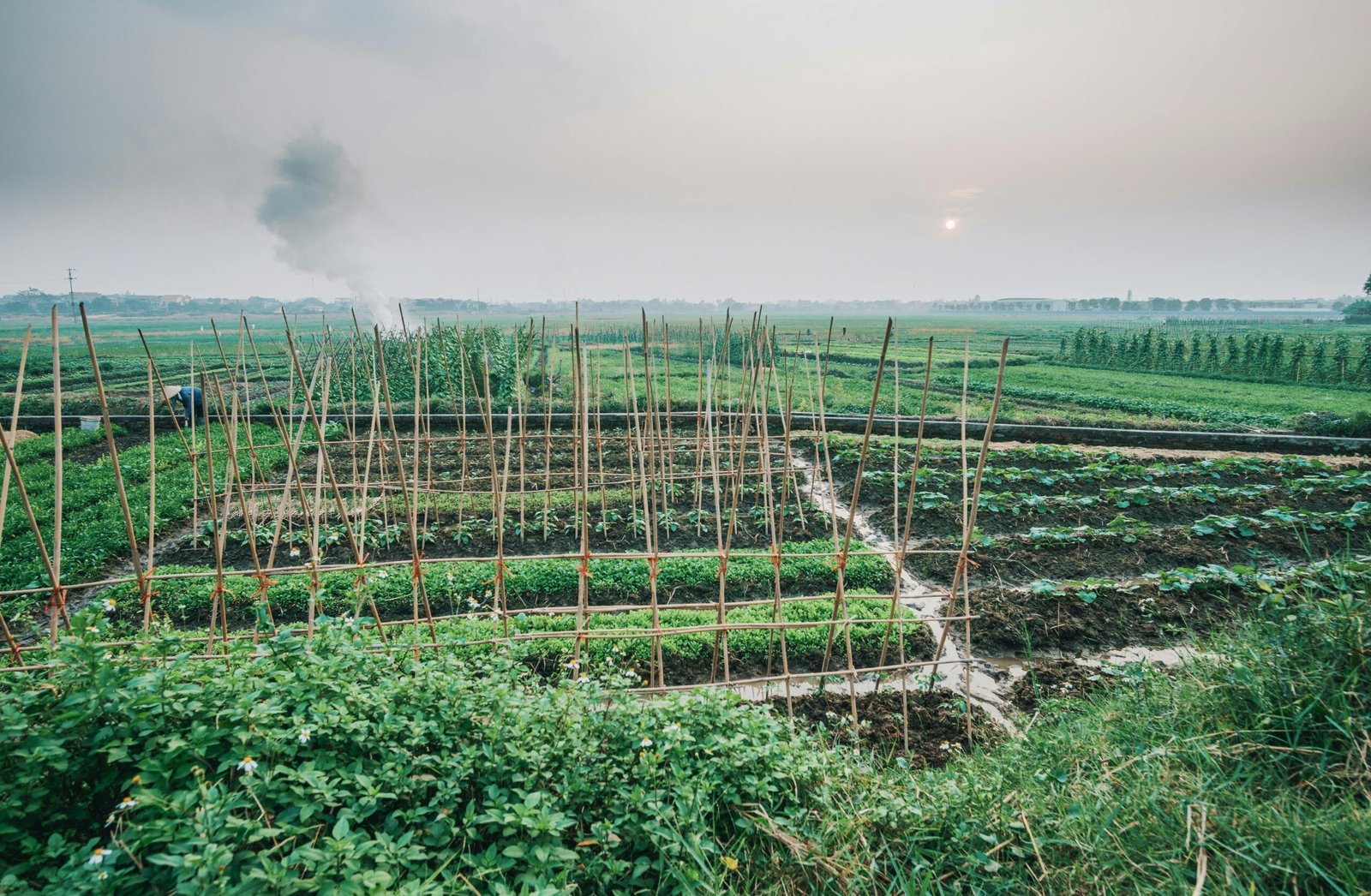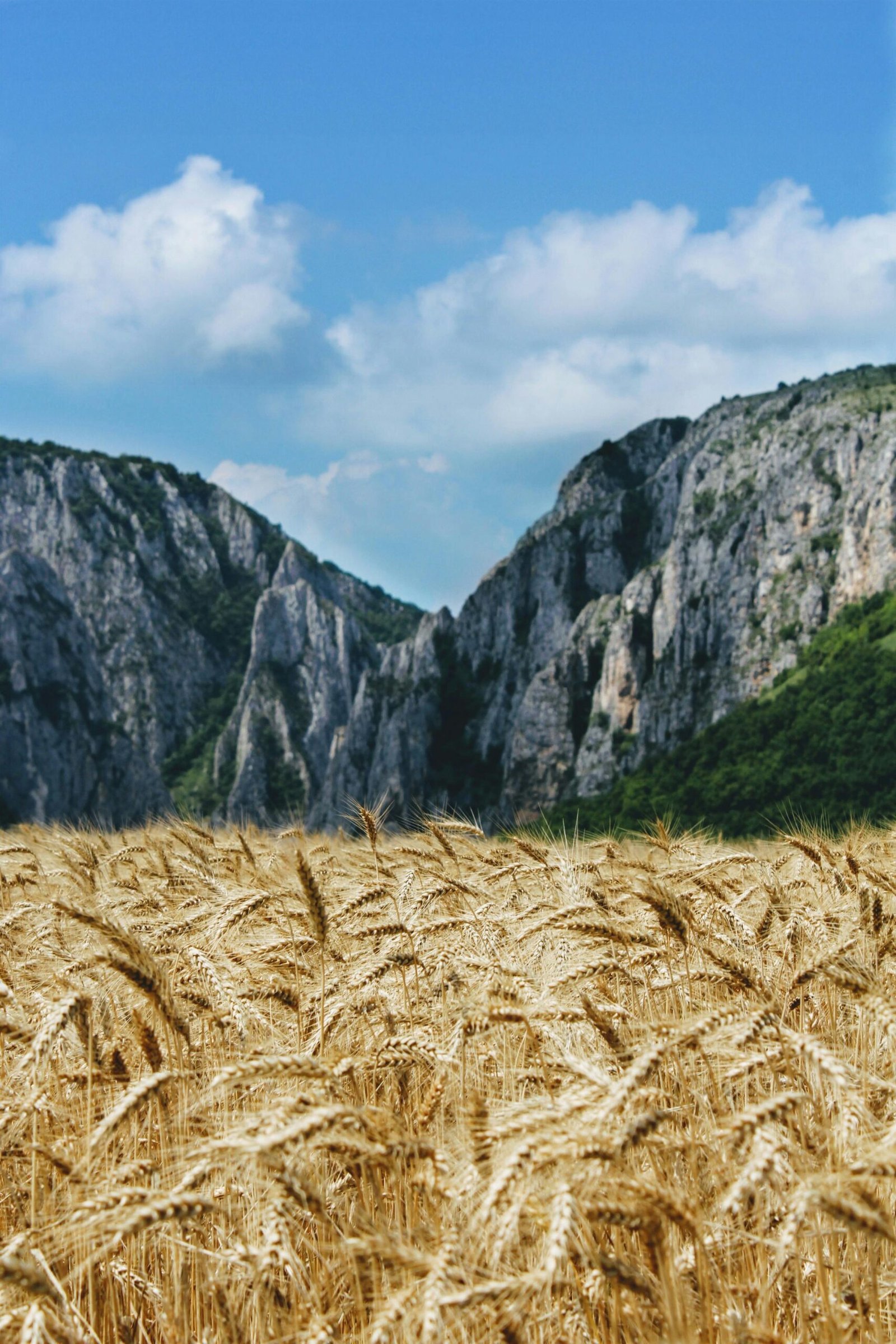
In March 2026, European agriculture is navigating its most significant transformation since the post-war era. Driven by the European Green Deal and the “Farm to Fork” strategy, the sector is moving away from traditional high-input farming toward a model defined by “Precision Ecology.”
The current landscape is characterized by a delicate balance between strict environmental mandates and the urgent need for food sovereignty following the geopolitical shifts of the mid-2020s.
📈 1. Key Trends: The Rise of “AgTech” and Regenerative Practices
European fields in 2026 are increasingly high-tech, yet focused on “low-impact” outcomes.
- Precision Farming 2.0: Satellite-guided machinery and AI drones are now standard on medium-to-large farms. These tools allow for “Variable Rate Application,” ensuring that fertilizers and pesticides are only used on specific plants that need them, reducing chemical runoff by up to 30%.
- Carbon Farming: For the first time, a significant number of EU farmers are generating income not just from crops, but from “Carbon Credits.” By using cover crops and no-till methods, they are sequestered carbon in the soil, selling those offsets to industrial sectors.
- The Protein Shift: There is a marked increase in the cultivation of pulses (peas, lentils, beans) across France and Germany to meet the rising demand for plant-based proteins and to reduce the continent’s reliance on imported soy.
⚠️ 2. Major Challenges: The “Trilemma” of 2026
Farmers currently face three competing pressures that are reshaping the industry:
- Climate Volatility: 2025 was one of the most unpredictable years on record for European weather. Southern Europe (Spain, Italy, Greece) is battling chronic water scarcity, forcing a rapid shift toward drought-resistant crop varieties and advanced “closed-loop” irrigation.
- The Demographics Crisis: The average age of a European farmer is now 58. Young people are hesitant to enter the sector due to high land prices and thin profit margins. To combat this, the EU has launched the 2026 Young Farmers Initiative, providing zero-interest loans for digital-first farm startups.
- Regulatory Compliance: While the “Green Deal” goals are popular with consumers, farmers are struggling with the administrative burden of tracking biodiversity metrics and chemical usage to maintain their subsidies.
🔮 3. Future Outlook: Toward 2030
The roadmap for the next four years focuses on “Autonomy and Circularity.”
- Energy-Positive Farms: By 2027, the goal is for 15% of EU farms to be net energy exporters, using a combination of agrivoltaics (solar panels over crops) and small-scale biomethane plants that convert animal waste into fuel.
- The “Digital Product Passport”: By the end of 2026, many high-value European exports (wine, cheese, olive oil) will feature QR codes that show the consumer the exact “Carbon and Water Footprint” of that specific batch.
- Strategic Autonomy: In light of global supply chain disruptions, the EU is investing heavily in “Vertical Farming” in northern urban centers (Netherlands, Scandinavia) to ensure year-round vegetable production that isn’t dependent on southern imports.
📊 EU Agriculture Indicators (2026 Estimates)
| Metric | Status / Trend | Target (2030) |
| Organic Farmland | 12.5% of total UAA | 25% |
| Pesticide Use | -22% (vs 2020) | -50% |
| Precision Tech Adoption | 45% of large farms | 75% |
| Renewable Energy Gen. | High (Solar/Biogas) | 20% of farm income |
💡 The 2026 Perspective
Agriculture in Europe is no longer just about food; it is becoming the primary engine for the continent’s Circular Bioeconomy. The farmer of 2026 is increasingly viewed as a “Landscape Manager” who produces food, energy, and environmental services in equal measure.
- List the 2026 EU ‘Young Farmers’ subsidy criteria
- Summarize the ‘Farm to Fork’ 2030 targets
- Create a table of drought-resistant crops for Southern Europe